Expert Safety Solutions for Biotech and Pharmaceuticals
- lutalipsllc
- Jan 22
- 4 min read
In the rapidly evolving fields of biotechnology and pharmaceuticals, safety is paramount. As these industries push the boundaries of science and technology, they also face unique challenges that require specialized safety solutions. From laboratory environments to manufacturing facilities, ensuring the safety of personnel, products, and processes is critical. This blog post explores expert safety solutions tailored for the biotech and pharmaceutical sectors, highlighting best practices, innovative technologies, and real-world examples.
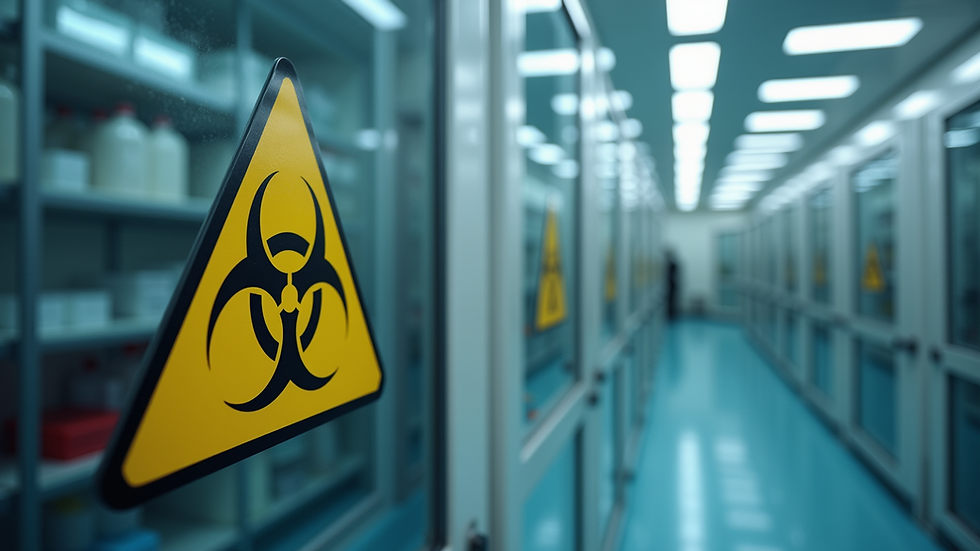
Understanding the Safety Landscape
The Importance of Safety in Biotech and Pharmaceuticals
Safety in biotech and pharmaceuticals is not just a regulatory requirement; it is a fundamental aspect of operational integrity. The consequences of neglecting safety can be severe, including:
Health Risks: Exposure to hazardous materials can lead to serious health issues for employees.
Product Contamination: Inadequate safety measures can result in contaminated products, jeopardizing patient safety.
Financial Loss: Safety incidents can lead to costly recalls, legal liabilities, and damage to reputation.
Regulatory Framework
The biotech and pharmaceutical industries are governed by stringent regulations aimed at ensuring safety. Key regulatory bodies include:
U.S. Food and Drug Administration (FDA): Oversees drug approval and manufacturing practices.
Occupational Safety and Health Administration (OSHA): Sets and enforces workplace safety standards.
Environmental Protection Agency (EPA): Regulates the handling and disposal of hazardous materials.
Understanding these regulations is crucial for developing effective safety solutions.
Key Safety Solutions
Personal Protective Equipment (PPE)
Personal protective equipment is the first line of defense against workplace hazards. In biotech and pharmaceutical settings, appropriate PPE includes:
Gloves: Protect against chemical exposure and biological hazards.
Goggles and Face Shields: Shield the eyes and face from splashes and airborne particles.
Lab Coats and Gowns: Provide a barrier against contaminants.
Selecting the right PPE is essential. For instance, nitrile gloves are preferred over latex for their chemical resistance and reduced allergy risk.
Engineering Controls
Engineering controls involve designing facilities and equipment to minimize exposure to hazards. Examples include:
Biological Safety Cabinets (BSCs): These cabinets provide a sterile environment for handling pathogens and protect users from exposure.
Fume Hoods: Designed to ventilate hazardous fumes, these hoods are crucial in laboratories where chemicals are used.
Isolation Rooms: Used in manufacturing, these rooms prevent cross-contamination during the production process.
Implementing these controls not only enhances safety but also improves operational efficiency.
Administrative Controls
Administrative controls focus on policies and procedures that promote safety. Key strategies include:
Training Programs: Regular training ensures that employees understand safety protocols and the proper use of equipment.
Standard Operating Procedures (SOPs): Clear SOPs guide employees in safe practices, reducing the likelihood of accidents.
Incident Reporting Systems: Encouraging reporting of near-misses and incidents helps identify areas for improvement.
By fostering a culture of safety, organizations can significantly reduce risks.
Innovative Technologies
Automation and Robotics
The integration of automation and robotics in biotech and pharmaceutical processes enhances safety by reducing human exposure to hazardous environments. For example:
Automated Liquid Handling Systems: These systems minimize the risk of spills and contamination during sample preparation.
Robotic Process Automation (RPA): RPA can streamline repetitive tasks, reducing the potential for human error.
Adopting these technologies not only improves safety but also increases productivity.
Real-Time Monitoring Systems
Real-time monitoring systems provide continuous oversight of environmental conditions and equipment performance. Key features include:
Temperature and Humidity Sensors: Essential for maintaining optimal conditions in storage and manufacturing areas.
Air Quality Monitors: Detect hazardous substances in the air, alerting personnel to potential risks.
These systems enable proactive responses to safety concerns, ensuring a safer working environment.
Case Studies
Case Study 1: A Biotech Laboratory
A leading biotech laboratory implemented a comprehensive safety program that included:
Upgrading to state-of-the-art biological safety cabinets.
Conducting regular safety drills and training sessions.
Establishing a robust incident reporting system.
As a result, the laboratory reported a 40% reduction in safety incidents over two years, demonstrating the effectiveness of a proactive safety approach.
Case Study 2: Pharmaceutical Manufacturing Facility
A pharmaceutical manufacturing facility faced challenges with cross-contamination during production. To address this, they:
Introduced isolation rooms for different production lines.
Implemented strict SOPs for cleaning and maintenance.
Invested in real-time air quality monitoring systems.
These changes led to improved product quality and compliance with regulatory standards.
Best Practices for Safety Solutions
Regular Audits and Assessments
Conducting regular safety audits and assessments helps identify potential hazards and areas for improvement. Key steps include:
Reviewing compliance with safety regulations.
Evaluating the effectiveness of existing safety measures.
Engaging employees in the assessment process to gather insights.
Continuous Improvement
Safety is an ongoing process. Organizations should foster a culture of continuous improvement by:
Encouraging feedback from employees on safety practices.
Staying updated on industry trends and advancements in safety technology.
Investing in ongoing training and development.
Collaboration and Communication
Effective safety solutions require collaboration across departments. Key strategies include:
Establishing cross-functional safety committees.
Promoting open communication about safety concerns and best practices.
Sharing success stories and lessons learned to inspire a collective commitment to safety.
Conclusion
In the biotech and pharmaceutical industries, safety is not just a regulatory obligation; it is a core value that drives operational success. By implementing expert safety solutions, organizations can protect their employees, ensure product integrity, and maintain compliance with regulatory standards. As the industry continues to evolve, embracing innovative technologies and fostering a culture of safety will be essential for navigating the challenges ahead.
Take the next step in enhancing safety within your organization by assessing your current practices and exploring new solutions. Your commitment to safety will not only benefit your workforce but also contribute to the overall success of your organization.


Comments